


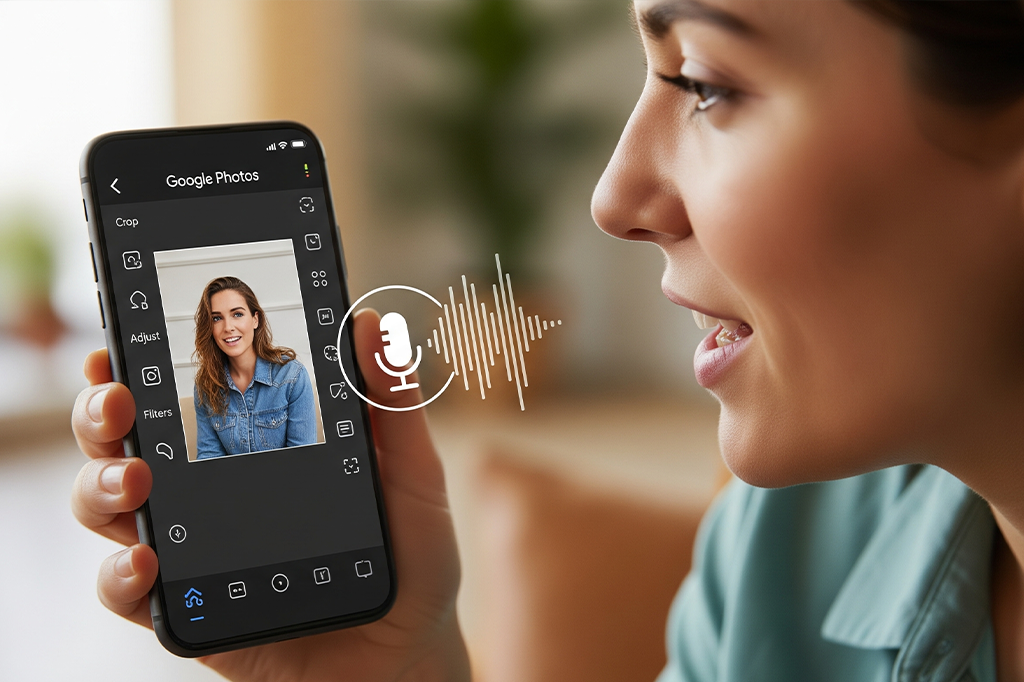
At Wednesday’s Made by Google event, the tech giant unveiled new features for Google Photos designed to make photo editing simpler, faster, and more accessible. Among the most exciting updates is the “Edit by Asking” feature, which allows users to instruct Google Photos to modify their images using voice or text commands. This marks a significant step in combining AI-driven image editing with natural language, making professional-quality edits available to everyone, regardless of skill level.
What Is “Edit by Asking”?
The new feature leverages Google’s Gemini AI models to interpret natural language instructions. Users can describe edits they want to make, and Google Photos will carry them out automatically. For example:
-
Specific instructions: “Remove the cars in the background.”
-
General requests: “Restore this old photo.”
-
Creative adjustments: “Add a party hat to the subject” or “put sunglasses on them.”
Even users unfamiliar with photo editing can make improvements by simply saying “make it better”, and the app will suggest changes and apply automatic enhancements. Follow-up requests are supported, so you can fine-tune edits interactively.
This approach is especially useful for those who may not know how to use advanced photo editing tools but want to enhance lighting, remove distractions, or add creative elements to their photos.
Pixel 10 Devices Get First Access
The Pixel 10 phones will be the first devices to support the “Edit by Asking” feature, launching initially in the U.S.. Users can use either voice or text to interact with the app, making it convenient for hands-free editing or quick adjustments on the go.
Google plans to roll out this feature gradually across Android and iOS devices, bringing the functionality to a broader audience in the coming weeks.
Introducing C2PA Support
Alongside AI-driven edits, Google Photos is adding support for C2PA Content Credentials. This standard is designed to increase transparency about how images are created and whether AI was involved.
-
Pixel 10 first: Pixel devices will lead the adoption of C2PA, with support built into the Camera app.
-
Broader rollout: Gradually, C2PA support will expand across Google Photos for all Android and iOS users.
C2PA enables photographers and viewers to verify authenticity and provenance, which is particularly important as AI-generated images become more common. Even images not edited with AI can carry metadata that increases transparency, ensuring users can trust the origin of what they see.
What You Can Do with “Edit by Asking”
Google Photos’ AI-driven editing goes beyond simple fixes. Users can:
-
Adjust lighting: Brighten dark photos or soften harsh highlights.
-
Remove distractions: Eliminate background objects, clutter, or unwanted people.
-
Enhance portraits: Add accessories, change backgrounds, or even stylize the subject.
-
Restore old photos: Repair faded or damaged images automatically.
-
Follow-up edits: Refine changes based on feedback or additional requests.
This versatility transforms Google Photos from a storage and organization tool into a powerful AI-powered editing assistant, accessible to casual users and photography enthusiasts alike.
Why This Matters
The “Edit by Asking” feature demonstrates several key trends in consumer tech and AI:
-
AI democratization: Editing skills are no longer a barrier. Anyone can achieve professional-looking results.
-
Natural language interaction: Users can communicate with apps like they would with a person, making technology more intuitive.
-
Creative freedom: From subtle enhancements to fun creative edits, users have unprecedented flexibility.
-
Trust and transparency: With C2PA, Google is addressing growing concerns about AI-generated content and image authenticity.
By combining these elements, Google is positioning Photos as both a creative hub and a trusted platform for sharing and storing memories.
How It Fits Into Google’s Ecosystem
The new features are part of Google’s broader strategy to integrate AI into everyday apps:
-
Gemini AI powers a range of enhancements across Google products, from writing assistance to visual content creation.
-
Photos becomes more than a repository—it’s now an interactive creative assistant.
-
Transparency standards like C2PA reflect Google’s commitment to responsible AI adoption.
Together, these innovations reinforce Google’s position as a leader in AI-powered consumer technology.
Early Reactions
While the update is still rolling out, early impressions suggest that users will appreciate the ease of use and creativity the tool offers. However, some may be concerned about overreliance on AI, especially in professional contexts where manual control is preferred.
Google has made it clear that the feature is optional: users can interact with it as much or as little as they like. Those who prefer traditional editing tools can continue to use manual adjustments, filters, and professional software integrations.
Looking Ahead
The “Edit by Asking” feature is a preview of the future of photo editing:
-
AI assistants could become standard in creative apps.
-
Voice and natural language commands may replace traditional menu-driven workflows.
-
Transparency features like C2PA could become a baseline for all photo platforms.
As AI continues to evolve, tools like Google Photos’ interactive editing may reshape how we capture, edit, and share memories, making complex edits accessible to everyone.
For now, Pixel 10 users in the U.S. get the first taste of this hands-free, AI-powered experience, with broader availability coming soon.
