


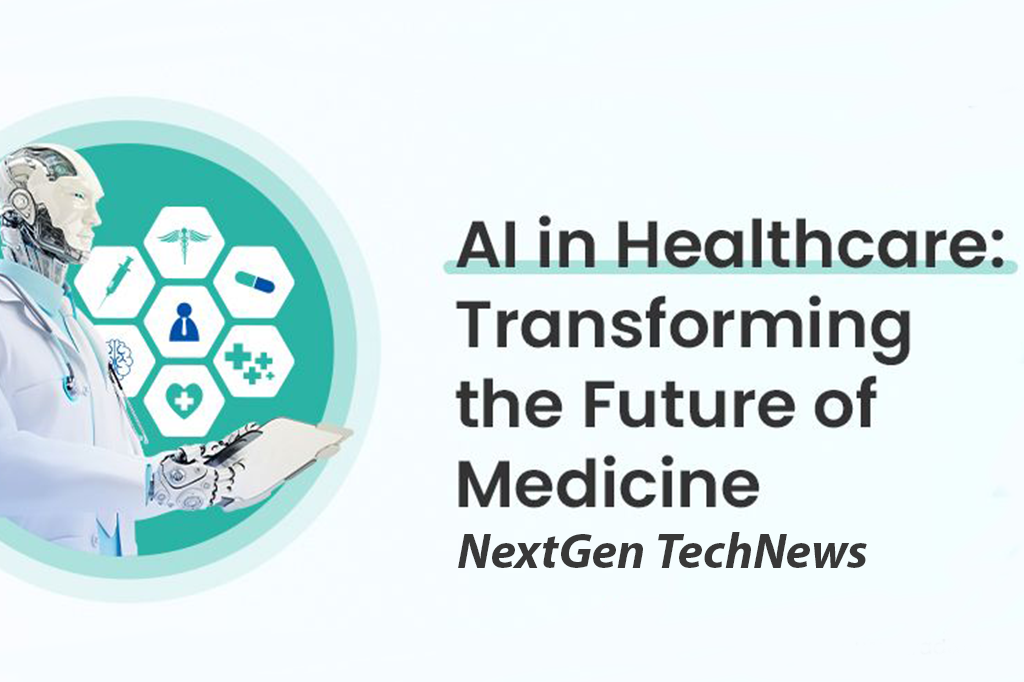
The world of healthcare is undergoing a dramatic transformation. What was once the domain of doctors, hospitals, and traditional medicines is now being reimagined through artificial intelligence (AI), robotics, genomics, biotechnology, and digital health innovations. The “Healthcare of Tomorrow” promises a system that is more personalized, efficient, and accessible than ever before. From AI-driven diagnostics to gene editing and wearable devices, the medical industry is entering a future that could completely redefine how we think about wellness, treatment, and human longevity.
1. AI-Powered Diagnostics and Decision Support
Artificial Intelligence is emerging as one of the most revolutionary tools in healthcare. Algorithms can now analyze medical images, detect diseases earlier than human doctors, and even suggest treatment options. AI-powered diagnostic systems have been shown to identify conditions such as cancer, heart disease, and neurological disorders with remarkable accuracy.
For example, AI platforms are being trained to detect early signs of Alzheimer’s or analyze X-rays in seconds. These advancements not only reduce the burden on physicians but also allow for faster, more precise interventions. In the near future, patients may consult AI systems as a first line of medical opinion before seeing a doctor.
2. Genomics and Personalized Medicine
The sequencing of the human genome has unlocked new possibilities for personalized medicine. Instead of a one-size-fits-all approach, doctors can tailor treatments to a patient’s genetic profile. This is especially impactful in fields like oncology, where targeted therapies are replacing traditional chemotherapy.
Gene-editing tools such as CRISPR-Cas9 are also paving the way for correcting genetic disorders, potentially curing diseases that were once considered incurable. Imagine a future where conditions like sickle cell anemia or cystic fibrosis are treated at the genetic level, eliminating them entirely from the human experience.
3. Telemedicine and Remote Care
The COVID-19 pandemic accelerated the adoption of telemedicine, proving that remote consultations can be just as effective as in-person visits for many conditions. In the future, telehealth platforms will integrate AI, wearables, and real-time health monitoring, creating a continuous loop of care.
Patients may no longer need to visit hospitals for routine check-ups. Instead, doctors could access real-time biometrics collected by smartwatches, patches, or even smart clothing. This not only makes healthcare more accessible for people in remote areas but also ensures that medical professionals can intervene before small issues become serious.
4. Robotics in Surgery and Caregiving
Robotic systems are already assisting surgeons with minimally invasive procedures, but the future promises even greater precision. Surgical robots guided by AI could perform complex operations with fewer risks and faster recovery times.
Beyond the operating room, robots are being developed as care assistants for the elderly and disabled, providing companionship, monitoring vital signs, and assisting with daily activities. This could help address the growing global challenge of an aging population while easing the burden on caregivers.
5. Digital Twins and Predictive Healthcare
A “digital twin” is a virtual replica of a patient created using their genetic data, medical history, and lifestyle factors. Doctors could simulate treatments on the digital twin before applying them in real life, significantly reducing risks and improving outcomes.
Combined with predictive analytics, healthcare systems could forecast illnesses before symptoms even appear, shifting the focus from treatment to prevention. For instance, wearable devices might detect heart rhythm changes and alert doctors before a patient suffers a stroke.
6. The Role of Biotechnology and Regenerative Medicine
Advances in biotechnology are leading to breakthroughs in regenerative medicine, including lab-grown organs, tissue engineering, and stem cell therapies. Instead of waiting years for organ transplants, patients may one day receive bioprinted organs customized to their biology.
This could eliminate long transplant waiting lists and significantly improve survival rates. Stem cell therapies are also showing promise in regenerating damaged tissues, from spinal cords to heart muscles.
7. Ethical Challenges and Privacy Concerns
While these innovations are exciting, they also raise important ethical and privacy concerns. Who owns your genetic data? How do we ensure AI in healthcare remains unbiased? Will life-extending technologies only be available to the wealthy, creating new inequalities?
Governments, healthcare providers, and tech companies must address these questions carefully. The future of medicine must balance innovation with ethics, ensuring that technology benefits everyone.
Conclusion: A Healthier, Smarter Future
The Healthcare of Tomorrow 🧬 will look very different from today. Patients will no longer just visit doctors when sick; instead, healthcare will be an ongoing partnership powered by AI, data, and advanced technologies. Treatments will be personalized, proactive, and preventive, unlocking longer, healthier lives.
The transformation won’t happen overnight, but the shift has already begun. As we continue advancing, the ultimate goal will be clear: a healthcare system that empowers individuals, improves outcomes, and makes quality care accessible to all.
